
In this digital era, where convenience and safety are both critical to me, I have seen firsthand how the financial industry is being transformed. Biometric authentication methods are a part of my daily routine across numerous apps and a focal point of my extensive research in cybersecurity.
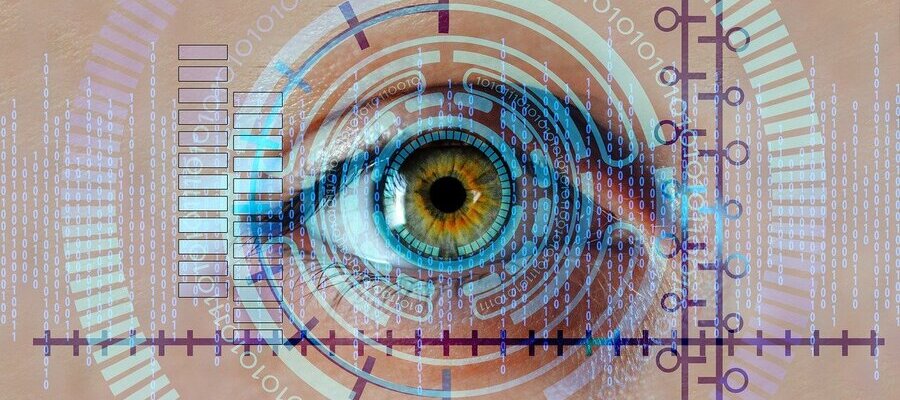
Through my investigations, I’ve grown increasingly convinced of biometric technology’s power to redefine financial security and how banks engage with customers. It’s more than just an improvement in safeguarding and simplifying user interactions; it’s about ushering banking into a future where identity verification transcends being a hurdle, evolving into a seamlessly biometric-validated pathway to a secure, customer-centric digital realm.
The myriad applications and the critical aspects of weighing when deploying biometric technology in banking, from user logins to access control and identity verification, affirm this potential.
Key Takeaways
- Biometric authentication methods are gaining popularity in the banking industry because they can enhance security while improving user experience.
- Choosing the right biometric technology involves security, accuracy, user experience, and cost considerations.
- Biometric authentication can be employed for various purposes in banking, including user login, access control, and identity verification.
Evolution of Fingerprint Recognition in Biometric Authentication for Banking
The Origins of Banking Biometrics
Using biometric data for personal identification and security is no new concept, with its roots extending back to early civilizations marking their property with their fingerprints. Fast-forward to the 21st century, biometric authentication has made its presence felt in financial services, with banks leading the charge in its advancements.
Early Advancements and Learning Curves
Initially, banks dabbled with basic fingerprint recognition for account access, a method rudimentary by today’s standards but groundbreaking at the time. The learning curve was significant; critical technical hurdles had to be overcome, including developing software and systems capable of accurately recognizing and storing biometric data. However, this initial foray laid a solid foundation for the more complicated systems that would follow. Introducing the Automated Fingerprint Identification System (AFIS) has significantly enhanced the effectiveness and speed of fingerprint-based identification in banking, automating the process of matching fingerprints against millions of records in minutes.
The Biometrics Boom in Banking
In recent years, innovation in biometric authentication methods within banking has accelerated dramatically. Fingerprint biometrics have been joined by sophisticated facial and voice recognition technologies, making it easier for customers to manage their finances securely. However, this is more than just a case of bolt-on technology. These biometric systems have become integral to modern banking security measures, revealing a sector that is both pioneering and adept at integrating cutting-edge technology.
Biometric vs. Traditional Password-Based Systems
A Comparative Analysis
Traditional password-based systems have long been the bedrock of online account security. However, they have inherent vulnerabilities, including weak passwords, phishing, and user errors. Biometric authentication methods fundamentally change the paradigm.
By discarding what was once the standard in favor of unique physiological data, customer accounts are fortified with a far more robust and difficult-to-breach level of security. Biometric authentication systems are a security process that leverages unique biological characteristics for identity verification, enhancing the security process by relying on the inherent uniqueness of individual biological traits.
The Superiority of Biometrics in Security
Biometric methods present a formidable obstacle to unauthorized access. Each individual’s biological features represent a unique, nearly impossible-to-replicate password. Furthermore, biometric data is not stored in the cloud but on secured on-premises servers, significantly reducing the risk of mass data theft.
The advantages of biometric authentication systems over traditional password systems are clear. They offer superior security and user verification through technologies like facial recognition, fingerprint-based recognition, and iris scanning.
Unleashing the Potential for Customer Convenience
The convenience factor is equally significant. Gone are the days of forgotten passwords or the need to remember a litany of combinations. Biometric authentication offers customers a more streamlined and arguably more user-friendly banking experience, aligning with modern demands for frictionless transactions and accessibility.
Biometric Data
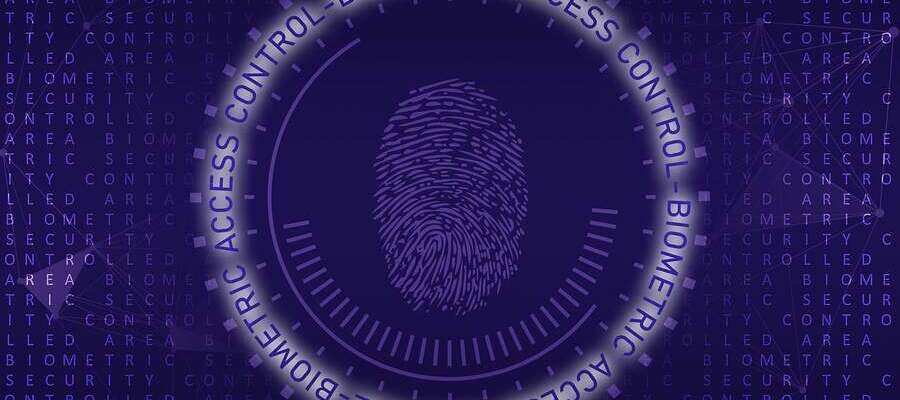
The collection, storage, and processing of biometric-related data comes with its own challenges and responsibilities. Protecting this data is paramount, as it represents the most personal and irreplaceable information about an individual. Ensuring the privacy and security of data involves employing state-of-the-art encryption methods and robust data protection policies. As biometric technologies evolve, so must the strategies to safeguard the sensitive information they handle.
Stored Data and Data Security
The emphasis on stored data within biometric systems highlights the pressing necessity for stringent data security methods. Since biometric data encompasses unique identifiers, ranging from fingerprints to iris patterns, the implications of a data breach are significantly more severe than traditional data compromises.
Therefore, organizations must adhere to and exceed current data security standards to protect this sensitive stored data.
Advanced encryption techniques, continuous security audits, and stringent access controls are imperative to safeguard against unauthorized access and ensure that biometric information remains secure. In doing so, the integrity of the biometric identification process is maintained, reinforcing the trust users place in these systems.
Biometric Authentication Methods
Various methods are employed to ensure the highest security and convenience for users. Biometric authentication devices have evolved significantly, offering a range of options from fingerprint scanners to facial recognition systems. These devices analyze unique patterns or traits to create a secure and user-specific way of accessing services.
One of the most advanced methods is multimodal biometric authentication, which combines two or more biometric verification types. This approach boosts accuracy and security, reducing the chance of unauthorized access. Merging multiple biometric traits, like facial recognition with fingerprint scanning or voice authentication, creates a stronger system. This increases security and enhances user experience by offering alternative authentication methods if one fails or doesn’t work well.
Biometric Authentication Options
Today’s biometric authentication options serve various applications and user preferences. They secure mobile phones and personal computers, enabling safe transactions and access control in high-security zones. Biometrics provides a secure, convenient alternative to traditional passwords and pins. With technological progress, we can expect even more innovative and secure biometric methods to become a daily staple.
Two-factor Authentication and Biometrics
Two-factor authentication (2FA) is increasingly integrated with biometric methods, adding an extra layer of security. In 2FA, a biometric credential is used alongside a password or a mobile device. This combination creates a stronger defense against unauthorized access since compromising one factor alone won’t breach the system. Biometrics in 2FA boosts security and simplifies the login process, making it secure yet easy for users, including those using mobile devices.
The Role of Multi-Factor Authentication
Multi-factor authentication (MFA) enhances security by using two or more independent verification methods, significantly reducing attack vectors. Integrating biometrics into MFA offers a balance of security and usability, protecting against threats like phishing and brute force attacks and making sensitive data much harder to compromise. MFA pushes biometric technologies to new levels, promising a future where digital security is both natural and robust.
Real-World Applications and Success Stories
HSBC’s Mobile Biometric Banking App
HSBC in the UK has launched a mobile banking app featuring fingerprint and facial recognition, highlighting its focus on security. By using biometric identifiers, the app significantly reduces fraud and improves user experience. This move to integrate biometric authentication into mobile devices via HSBC’s app showcases advancements in security and user experience by merging physical and behavioral verification methods.
Wells Fargo’s Biometric Authentication for Corporate Clients
Wells Fargo, a top US financial services company, has introduced biometric authentication for its corporate clients. This security feature uses voice and face recognition for a secure and streamlined way to access the Wells Fargo CEO® Mobile app. The goal is to protect sensitive financial data and improve user experience, greatly reducing the risk of unauthorized access and raising the bar for digital banking security.
Qatar Bank’s Award-Winning Biometric Solution
Qatar National Bank’s Biometric Eyes (IRIS) Scan ATM, powered by Iris ID technology, is a first in Qatar. It offers customers cardless and PINless access to accounts at ATMs for increased convenience and security. Amid the global COVID-19 pandemic, the value of this contactless Iris ID technology has risen, reducing the risk of virus transmission via keypads.
The Future of Facial Recognition Technology in Biometric Authentication for Banking
Continuous Biometric Authentication
Looking forward, continuous biometric authentication is on the horizon. This development would allow banks to monitor customers’ biometric signals throughout their banking session, providing a seamless yet fortified layer of security that can detect and halt fraudulent activity in real-time.
Modern biometric authentication solutions are advancing, addressing privacy concerns and reducing the susceptibility to fraud, including the use of static images and changes in user features, through innovations like behavioral biometrics.
Integration with Other Security Measures
Furthermore, integrating biometrics with other security processes heralds an era of truly layered security. We are close to seeing systems where biometrics work with blockchain technology and AI algorithms to create an unbreachable wall of resistance against cyber threats.
The advancements in facial recognition technology are particularly noteworthy. Offering a quick and effortless, hyper-secure user experience, it is a promising component of future banking security solutions despite the need to navigate potential accuracy issues related to age, race, and gender.
Regulatory Factors and Controls
We must address biometric authentication’s regulatory and privacy challenges in the future. Governing bodies must play an active role in the evolution of these technologies, ensuring that customer data is managed and secured with the utmost care and compliance.
Addressing Customer Acceptance and Concerns
Building Trust and Addressing Privacy Concerns
Customer acceptance of biometric authentication is typically high, yet privacy concerns are equally prevalent. Banking institutions must proactively address these issues, engaging in transparent dialogue with customers and implementing industry best practices to protect biometric data. Biometric security is pivotal in enhancing the user experience without compromising privacy and balancing convenience and security.
Biometric Data Management and Control
Financial organizations need to secure biometric data against external threats and manage it responsibly. This means implementing robust access controls, stringent data encryption, and regular security audits. Biometric identification, utilizing unique biological characteristics for secure and convenient customer verification, is central to managing and protecting biometric data.
Enhancing the Customer Journey
Understanding customer sentiment and needs is crucial. When executed with the customer in mind, biometric authentication can lead to a secure, seamless, and satisfying enhanced customer journey.
Best Practices for Voice Recognition and Biometric Implementation in Banking
Strategic Rollout and Training
Strategic rollout and comprehensive employee training are paramount. Banking staff should not only understand the technology but also be able to communicate its benefits and reassure customers of its efficacy effectively to explain their advantages better.
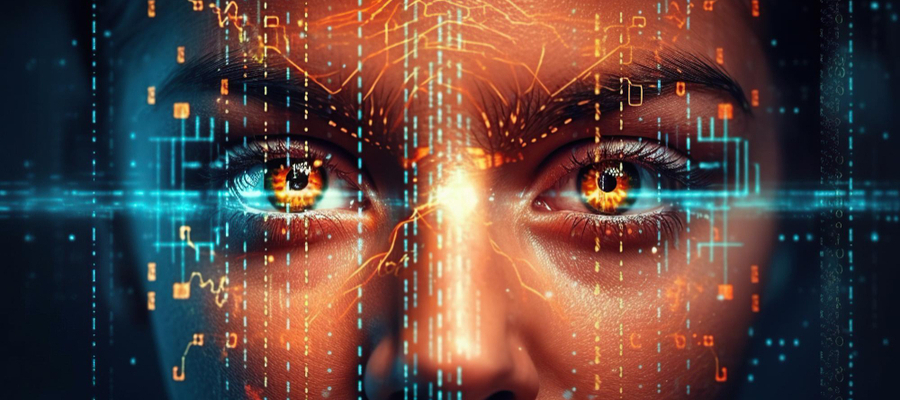
Employees need to understand the various types of biometric authentication, including facial, fingerprint, and iris recognition, to explain their advantages better and address customers’ concerns.
User Experience Design
Infusing user experience design is crucial for successful biometric feature adoption. The process should feel intuitive and valuable to the customer, not an impediment or an added layer of complexity. A well-designed biometric system ensures a seamless and intuitive user experience, enhancing customer satisfaction and trust in biometric technologies.
Adapting to Technological Advancements
Banks that leverage biometric authentication must also continuously adapt to technological advancements. This involves staying current with the latest innovations and being prepared to update systems and infrastructure accordingly.
Concluding Remarks
Biometric authentication methods are at the forefront of a financial security revolution that promises to redefine customer protection and experience across the banking sector. With ongoing technological advancements and a strategic, customer-centric focus, biometrics are set to become the gold standard in online security.
Today’s banks have an unprecedented opportunity to lead this charge, not just to secure their place in the financial landscape but to set the bar for an industry that is ‘uniquely theirs.’ It is an evolution that is as exciting as it is necessary, and it is a journey that the financial sector is uniquely equipped to lead.
Stay tuned and revisit us for more insightful articles that illuminate the path to the future of banking and security technologies.
Frequently Asked Questions (FAQs)
1. What is a biometric authentication method?
A biometric authentication method involves verifying a person’s identity based on their distinctive physical or behavioral characteristics. This approach improves security by ensuring that access is granted only to the rightful owner of the digital identity.
2. How does biometric identification differ from traditional security systems?
Biometric identification systems verify individuals based on their unique characteristics, such as fingerprints, facial structure, or iris patterns, unlike traditional security systems that rely on passwords or physical tokens. This significantly lowers the risk of unauthorized access and identity theft.
3. Are iris scans more secure than fingerprint scans?
Iris scans and fingerprint scans both offer high levels of security. Still, the choice between them depends on the specific application and environment. Iris scans are less likely to be affected by external factors, such as dirt on the fingers, making them highly reliable in various situations. However, fingerprint scans are widely used and accepted due to their ease of implementation and reasonable price.
4. Can facial recognition be used to gain access to secure systems?
Yes, facial recognition can access secure systems by analyzing and comparing facial features to pre-registered profiles. This process is becoming more popular due to its contactless process and the advancements in accuracy and speed.
5. What role do digital identities play in biometric security systems?
Far far away, behind the word mountains, far from the countries Vokalia and Consonantia, there live the blind texts. Separated they live in Bookmarksgrove right at the coast of the Semantics, a large language ocean.
6. Is it possible for someone to replicate my biometric data and gain unauthorized access?
While replicating biometric data is theoretically possible, it is very challenging due to modern biometric systems’ advanced encryption and security measures. Additionally, many systems include liveness detection to prevent spoofing attempts.